


12 Jan Tracing the historical evolution of gambling from ancient rituals to modern casinos
Tracing the historical evolution of gambling from ancient rituals to modern casinos
The Origins of Gambling in Ancient Civilizations
The history of gambling can be traced back thousands of years to ancient civilizations such as the Chinese, Greeks, and Romans. In these cultures, gambling was often intertwined with religious and social rituals. For example, in ancient China, gambling was not merely a pastime but a way to engage with fate and fortune, often linked to rituals aimed at appeasing the gods or foreseeing the future. Many modern enthusiasts seek out betting promos to enhance their experiences today.
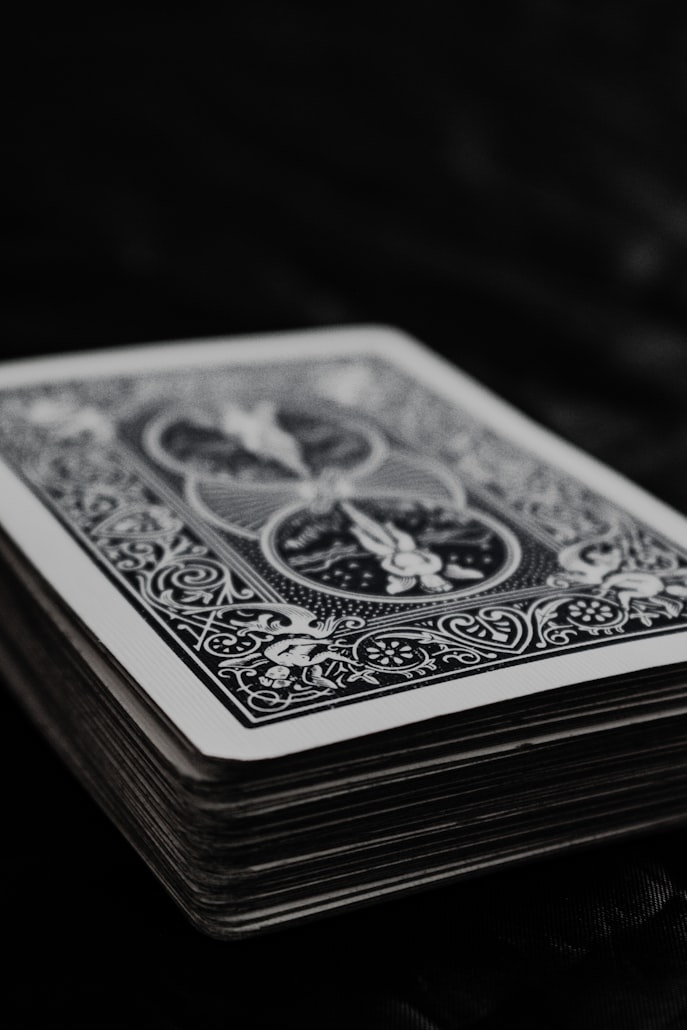
The Greeks and Romans also incorporated gambling into their social fabric, with dice games and betting on chariot races being popular activities. These early forms of gambling served various purposes, from entertainment to social bonding, illustrating how intrinsic the practice was to these societies.
The Evolution Through the Middle Ages
The Middle Ages saw a shift in the perception of gambling, where it was often stigmatized and associated with moral decline. Despite this, various forms of betting persisted, especially among the nobility. Games of chance, such as card games, became increasingly popular, creating a bridge to modern gaming.
This era also witnessed the establishment of some of the first organized gambling establishments, often operating outside the law. These underground venues catered to those seeking excitement and adventure, setting the stage for the regulated casinos that would emerge in later centuries.
The Birth of Modern Gambling in the 17th Century
The 17th century marked a significant turning point in the history of gambling, with the establishment of the first official casinos in Italy. The Ridotto in Venice is often credited as the world’s first government-sanctioned gambling house, offering a controlled environment for players. This development reflected changing societal attitudes, as gambling became more accepted as a legitimate form of entertainment.
The popularity of gambling continued to spread across Europe, with the introduction of games like roulette and baccarat. These innovations not only provided new ways to wager but also contributed to the burgeoning culture of casino entertainment, which would later flourish in places like Monte Carlo and Las Vegas.
The Influence of Technology on Gambling Practices
The 20th century brought about drastic changes in the gambling landscape, primarily due to advancements in technology. The introduction of electronic gaming machines transformed the casino experience, making it more accessible and appealing to a broader audience. The first slot machines paved the way for a new era of gambling, drawing in players with their flashing lights and enticing sounds.
Additionally, the rise of the internet in the late 20th century revolutionized the gambling industry once again, giving birth to online casinos. This shift not only expanded the reach of gambling but also allowed for innovative betting options, making it easier for individuals to engage with various games from the comfort of their homes.

A Comprehensive Resource for Modern Gamblers
Today, the gambling landscape is a complex tapestry woven from centuries of history, culture, and innovation. Our website serves as a comprehensive resource for modern gamblers, offering insights into the latest betting trends, sportsbook promotions, and strategic advice for maximizing your gaming experience.
Whether you’re a seasoned player or new to the world of gambling, our expert reviews and guides help you navigate the intricacies of betting, ensuring informed and responsible decisions. Join the growing community of players who benefit from our wealth of knowledge and embrace the thrilling journey of gambling.