


22 Jan The journey of gambling tracing its historical evolution through time
The journey of gambling tracing its historical evolution through time
Origins of Gambling
The roots of gambling can be traced back thousands of years, with evidence found in ancient civilizations such as Mesopotamia, where clay dice dating back to 3000 BCE have been uncovered. These early forms of gambling served not only as entertainment but also as a means of divination and fortune-telling. Games of chance quickly proliferated across various cultures, highlighting humanity’s intrinsic fascination with risk and reward. Today, players often seek various options, such as non gamstop casino no deposit, as they explore different betting avenues.

In Ancient China, gambling took on more structured forms. By 200 BCE, the Chinese were using tiles to play a game similar to lottery, while the Book of Songs, one of the oldest collections of Chinese poetry, mentions gambling activities, indicating its significance in cultural rituals. As societies evolved, so did gambling, reflecting changing social norms and beliefs.
The Middle Ages and Gambling’s Transformation
The Middle Ages marked a turning point for gambling, particularly in Europe, where it began to intertwine with the burgeoning social structures. The rise of gambling houses and establishments created a new social scene, and the Church’s opposition to gambling led to a complex relationship. While many saw it as a sin, others embraced its allure, further entrenching gambling in societal frameworks.
During this period, card games emerged, eventually leading to the development of modern playing cards. These games became prevalent, with many variations sprouting up across the continent. The introduction of the lottery in the 15th century added another dimension, serving as a public funding mechanism while captivating the masses with the hope of instant wealth.
The Birth of Modern Gambling
The 17th and 18th centuries witnessed the birth of modern gambling as we know it today. The establishment of casinos in Italy, such as the Ridotto in Venice, marked the formalization of gambling as an organized leisure activity. These venues set the standard for what would evolve into the contemporary casino experience, complete with rules, games, and etiquette. The importance of casino etiquette became evident, guiding players on how to interact within these social spaces respectfully.
With the spread of gambling across Europe, gaming tables and betting houses began to emerge, ultimately leading to the creation of various games such as roulette and blackjack. The French contributed significantly to gambling’s evolution, establishing classic games that are still popular today, while also influencing the etiquette and social norms surrounding gambling.
Gambling in the Modern Era
The 20th century brought about significant changes in the gambling landscape, particularly with the legalization and regulation of casinos in the United States. Las Vegas emerged as the gambling capital of the world, drawing millions with its glitz and glamour. The rise of slot machines and electronic gaming further transformed the industry, making gambling more accessible to the general public.
Moreover, the introduction of online gambling at the turn of the 21st century revolutionized the industry once again. With the click of a button, players could access a vast array of games from the comfort of their homes. This shift raised discussions around responsible gambling and regulation, as the industry adapted to technological advancements and changing consumer behaviors.
Understanding Today’s Gambling Landscape
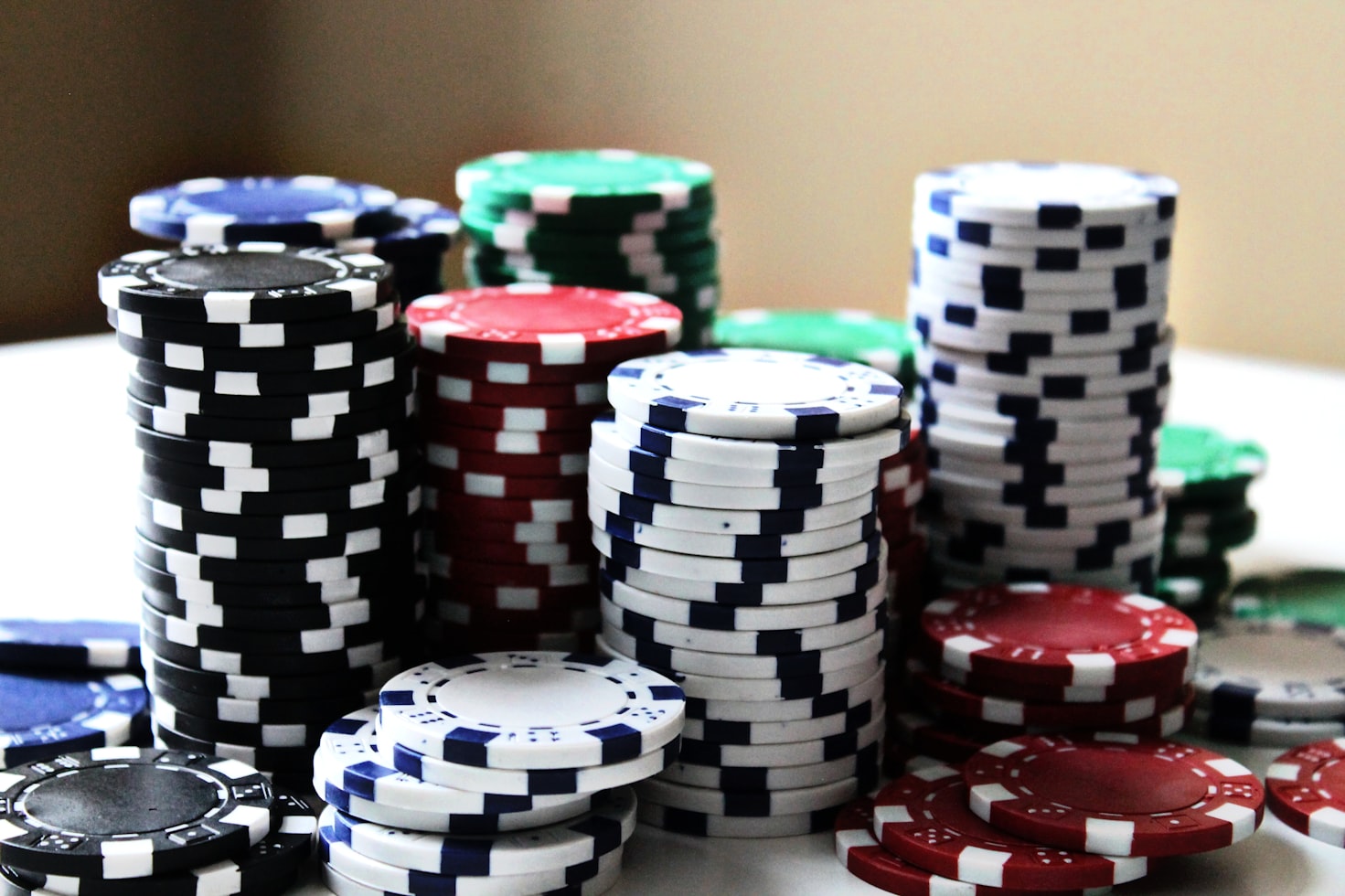
Today, gambling has become a multifaceted industry encompassing casinos, online platforms, and mobile gaming. As societal attitudes toward gambling shift, issues surrounding addiction and responsible gaming have gained prominence. Organizations now emphasize the importance of setting limits and understanding the potential risks associated with gambling.
Furthermore, as esports and betting on competitive gaming events rise in popularity, the gambling landscape continues to evolve. This ongoing transformation speaks to the enduring appeal of gambling as a form of entertainment, community, and excitement in our modern world.